INTERVENTION SERVICES

When Someone You Love Won't Accept Help, You Still Have Options.

Professional intervention guidance for families facing alcohol use, drug use, treatment resistance, relapse, or other substance-related concerns.

If your family has tried talking, reasoning, setting limits, backing off, stepping in, or waiting for things to improve—and nothing seems to change—an intervention can create a more structured path forward.
Los Angeles • Southern California • Nationwide by arrangement

FAMILY SUPPORT

Guidance, education and preparation

PRO. INTERVENTION

Compassionate and strategic facilitation

TREATMENT NAVIGATION

Help finding the right care

ONGOING GUIDANCE

Support for lasting change

HOW I WORK

An Intervention Is a Process — Not a Confrontation.

Popular culture often portrays an intervention as a dramatic surprise meeting: family members gather, read emotional letters, issue ultimatums, and hope the person agrees to treatment. That is not how I approach this
work.

The intervention begins with the family before I ever speak with the person we are concerned about. We look at what has been happening, what the family has already tried, the individual’s substance-use and treatment history, the relationships surrounding them, and the patterns that may unintentionally be allowing the situation to continue.
From there, we develop a strategy. Sometimes that leads to a formal intervention. Sometimes an invitational approach is more appropriate. Sometimes the best first move is direct professional outreach. And occasionally, after understanding the situation, I may recommend that the family not conduct a traditional intervention at all.
The objective is not to stage an event. It is to create the best possible opportunity for meaningful change.

SIGNS TO WATCH FOR

When Should You Consider an Intervention?

You do not have to wait for someone to “hit bottom.” Professional intervention may be worth considering when someone:

The question is not whether the situation looks dramatic enough from the outside. The question is whether the current pattern is working—and whether the family needs a different way to respond.

PHILOSOPHY

My Approach to Intervention

Compassion without collusion. Accountability without humiliation.

I do not believe effective intervention requires attacking someone, labeling them, shaming them, or winning an argument about whether they are an “addict.”

My approach is direct, respectful, and grounded in the reality of the situation. We help the family become clearer about what is happening, what belongs to them, what belongs to the person they love, what boundaries are meaningful, and what concrete help can be offered.
The person struggling usually knows considerably more about what is happening than they are willing or able to acknowledge. The goal is to create circumstances in which continuing the existing pattern becomes harder and accepting help becomes more possible—without stripping the person of dignity.
That means working with both sides of the equation: the individual who is struggling and the family system surrounding them.

A COMPREHENSIVE, COMPASSIONATE APPROACH

How the Intervention Process Works

01 — Confidential Consultation

We begin privately. I learn what is happening, what substances are involved, previous treatment history, medical or psychiatric concerns, immediate safety issues, family dynamics, and what has already been attempted. We determine whether an intervention appears appropriate and what additional information is needed

02 — Family Assessment & Strategy

We begin privately. I learn what is happening, what substances are involved, previous treatment history, medical or psychiatric concerns, immediate safety issues, family dynamics, and what has already been attempted. We determine whether an intervention appears appropriate and what additional information is
needed

03 — Preparation

Interventions should not be improvised. Family members are prepared for what to say, what not to say, how to respond to predictable objections, and how to remain aligned when emotions rise. When treatment is a likely next step, appropriate options are researched in advance.

04 — The Invitation / Intervention

Depending on the situation, I may facilitate a formal family meeting, use an invitational model, make direct professional contact with the individual, or use another strategy developed during planning. The conversation is respectful, but purposeful.

05 — Treatment Placement & Transition

If treatment is accepted, uncertainty should not derail the moment. I can help evaluate treatment options based on clinical need, treatment history, level of care, location, finances, personality, family considerations, and other practical realities. When appropriate, I can assist with admission coordination and transition.

06 — Ongoing Family Guidance

The family’s work does not end when someone enters treatment. We address communication, boundaries, expectations, continuing care, and how to support recovery without returning to old patterns. If the person initially refuses help, we determine the family’s next steps.

A CLEAR-EYED VIEW OF CARE

Not Every Person Needs Rehab

A professional intervention should not begin with a predetermined destination.
Some people need medically supervised withdrawal followed by residential treatment. Others may be better served by outpatient treatment, psychiatric care, medication, individual counseling, recovery support, or another level of care.
The recommendation should follow the assessment—not the other way around.
Because I have spent many years working inside addiction treatment as a counselor, clinical leader, program operator, and treatment consultant, I understand how different levels of care and treatment models fit different situations.
My role is not simply to get someone into a bed. It is to help the family understand what kind of help actually makes sense.

"An intervention isn't about blame. It's about creating an opportunity for change."

WHEN THE ANSWER IS NOT YES

What If They Say No?

An intervention is not automatically a failure because someone does not immediately enter treatment.
The family has already begun changing the system. Instead of reacting independently, everyone can operate from a clearer plan. Instead of negotiating boundaries during the next crisis, those decisions can be considered beforehand. Instead of repeatedly rescuing someone without realizing it, the family can make more intentional decisions about what it will—and will not—participate in going forward.
Sometimes the first “no” is simply another stage in the process. The family still moves forward.

EXPERIENCE. PERSPECTIVE. COMPASSION.

Experience Matters When the Situation Is Complicated

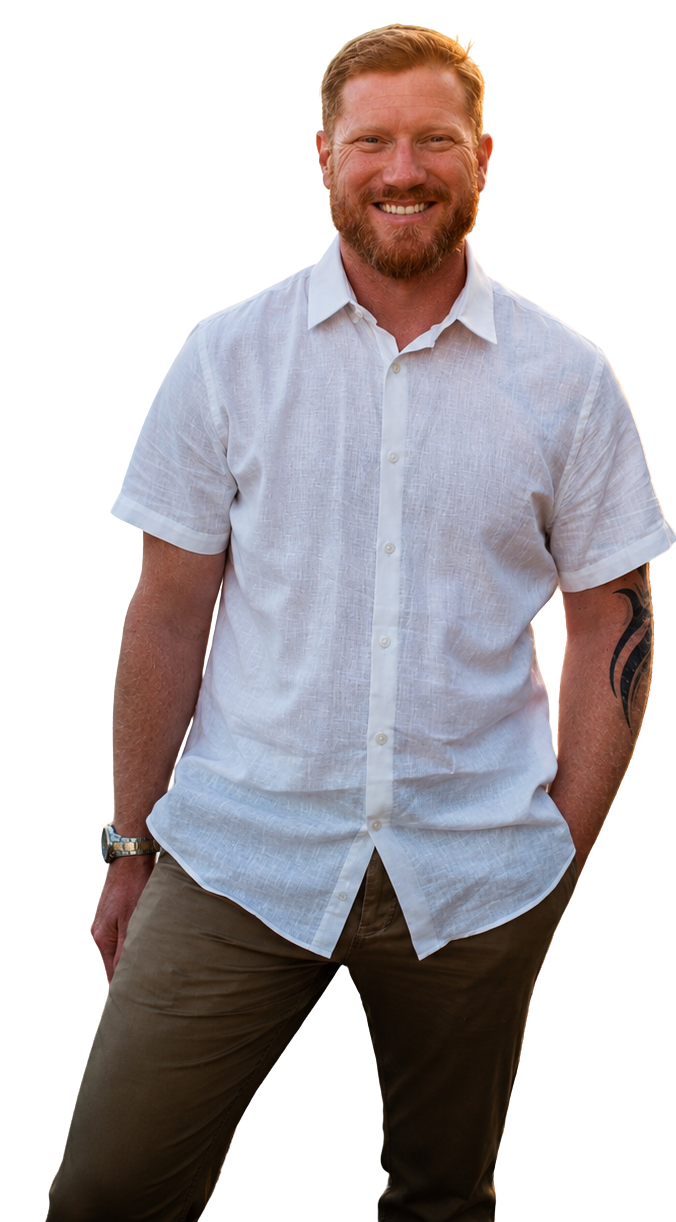
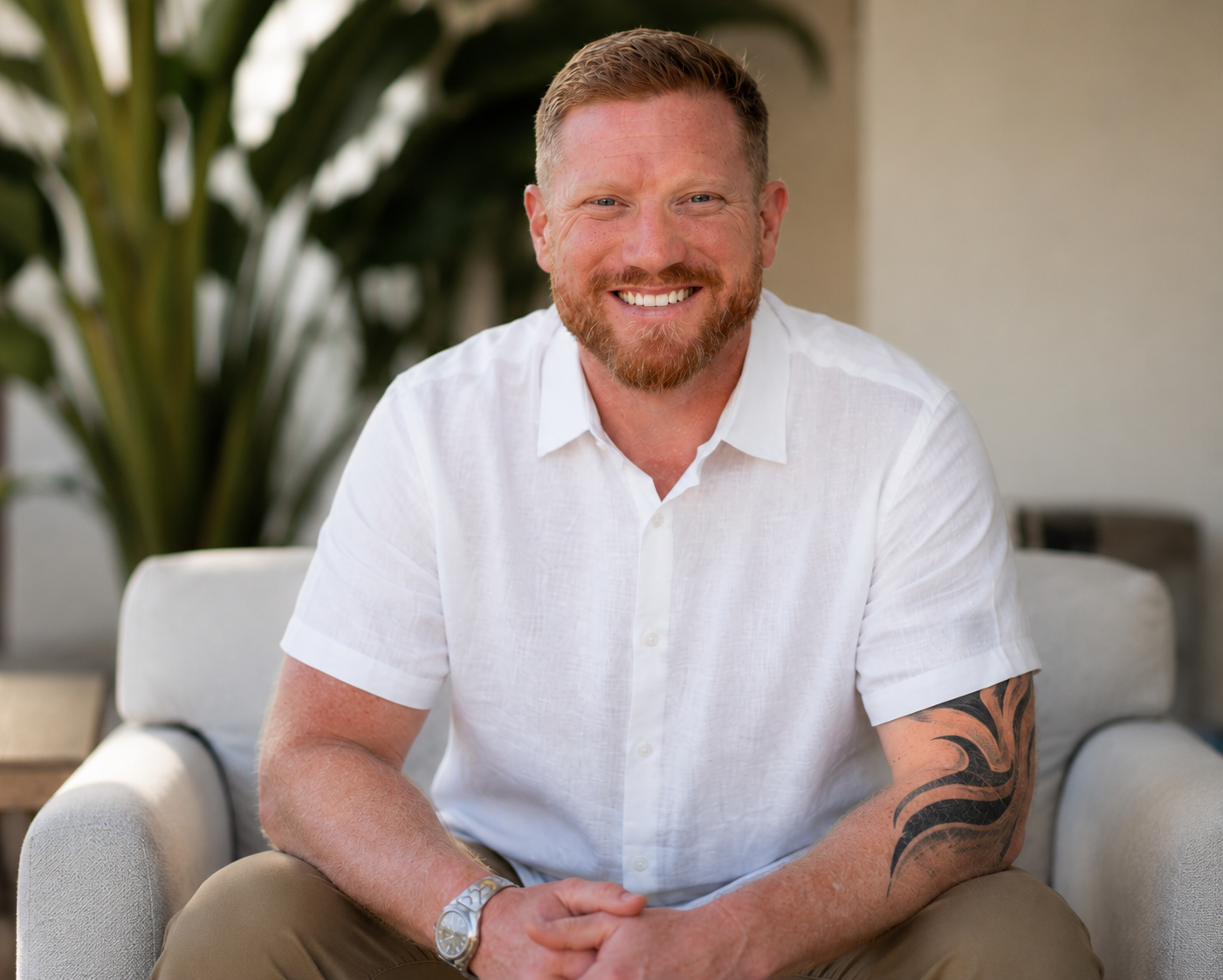
Nicholas Russi has spent more than two decades working across addiction treatment, counseling, family systems, clinical leadership, treatment-program operations, utilization review, and behavioral health.
That breadth of experience provides perspective not only on how to conduct an intervention, but also on what should happen before it, what treatment options actually mean, what can go wrong after admission, and how families can make more informed decisions throughout the process.
His style is direct, curious, collaborative, and practical. The goal is not to impose a prefabricated intervention model on every family. It is to understand the situation well enough to build the right strategy for the people involved.

Nicholas Russi

Counselor • Operator • Advisor

SERVICE AREA

Los Angeles Addiction Intervention Services

Nicholas provides professional addiction intervention and family consultation for families throughout Los Angeles and Southern California, with intervention services available nationally by arrangement.

Los Angeles intervention cases may involve alcohol use, drug use, treatment resistance, relapse, co-occurring behavioral-health concerns, young adults, older adults, complicated family systems, or individuals who have attended treatment before without achieving sustained change.

Depending on the circumstances, intervention planning can include family preparation, intervention facilitation, treatment research, treatment placement, admission coordination, and continued family consultation.

Relevant Southern California service areas may include Los Angeles, Beverly Hills, West Hollywood, Santa Monica, Brentwood, Pacific Palisades, Malibu, Calabasas, Encino, Sherman Oaks, Studio City, the San Fernando Valley, and surrounding communities. These locations should be used naturally and only where service is genuinely available; do not create the impression of offices in locations where Nicholas does not maintain an office.

Faq

Frequently Asked Questions

No. Families often contact me precisely because the person they are concerned about does not believe they need help. Initial planning can begin with the family
Not necessarily. Different situations call for different approaches. A formal meeting may be appropriate in one case, while an invitational process or direct professional outreach may be better in another.
Yes. Treatment research and placement can be incorporated when appropriate. The objective is to identify care based on the individual’s clinical and practical needs rather than simply finding an available program.
Previous treatment does not automatically mean another intervention will not work. We need to understand what happened before and whether the issue involved treatment fit, engagement, level of care, continuing care, family dynamics, or other factors.
Yes. Intervention planning can address alcohol-related problems across a wide range of severity and life circumstances.
Yes. Intervention planning can address substance-use problems involving opioids, stimulants, prescription medications, and other drugs. Medical and withdrawal risks must be evaluated appropriately.
Yes. Intervention and family consultation can be arranged outside Southern California depending on the circumstances.

Then start with a conversation. We can look at what is happening and determine whether a professional intervention, direct outreach, treatment consultation, family guidance, or another approach makes the most sense.

You Don’t Need to Have the Entire Plan Figured Out Before Calling.

If you are worried about someone’s drinking or drug use and your family no longer knows what to do, we can start by understanding the situation.

A confidential consultation does not commit your family to conducting an intervention. It gives us an opportunity to determine what the next move should be.

Featured Intervention Resources

An alcohol intervention is a structured process designed to help a person see the impact of their drinking and consider meaningful help. The most important part often happens before the …

When someone refuses rehab, families often feel as though they have run out of options. They have not. What changes is the focus. You cannot force another adult to want …

Families rarely call an intervention professional because of one isolated incident. More often, they call aftermonths or years of uncertainty. There may have been promises to cut back, arguments about …

Request a Confidential Consultation

Nicholas Russi • Addiction Interventionist
Privacy Notice: Please provide only the information needed to help us understand your inquiry. Do not submit highly sensitive medical, psychiatric, financial, or other confidential information through this form. Submitting an inquiry does not establish a professional relationship, and this form is not monitored for emergencies. If there is an immediate safety or medical emergency, call 911 or seek emergency care.